
Fan app
Thalaivar
A Rajinikanth app, because Jailer 2 is out and I couldn't help myself. His 190 films, his life on a timeline, stories and interviews, in English and Tamil, with every fact tied to its source.
Flutter · Laravel · PostgreSQL
Hi, I'm Saravana 👋
I've been writing software since 2010, and since around 2022 most of it has been AI: search over messy documents, LLM workflows, and the apps around them. I also consult for Digitalgrub and build a lot of their projects with the team.
Usually reaching for: Python, LlamaIndex, FastAPI, Postgres with pgvector, Next.js, Flutter, and whatever cloud the project lives on.

I started out writing PHP in 2010, spent four years leading a small e-commerce team at iMusti, then consulted for World Numerology for seven years. In 2025 I was an AI engineer at Karneyium, a Techstars healthcare startup.
I like problems where there's a pile of text and someone needs a straight answer out of it: clinical notes, contracts, support docs, product catalogues. A lot of my work has been in healthcare, but there's plenty of sales tools, e-commerce, education and side projects in there too.
Day to day that's mostly Python (LlamaIndex, FastAPI, Postgres with pgvector) on AWS or Azure, with Next.js or Flutter on the front when a project needs one.
I've earned AWS certifications (Solutions Architect Associate, Developer Associate and Cloud Practitioner) and Snowflake's SnowPro Core.
If you're stuck on one of these, I can probably help.
You've got PDFs, notes or a database full of text and you want answers you can trust. I build search and RAG on LlamaIndex with Postgres/pgvector or Redis.
Prompts, tools and guardrails, plus evals and caching so it stays cheap and doesn't quietly get worse.
FastAPI services, Streamlit prototypes that grow into real apps, Docker and CI so shipping is boring.
AWS, Azure, Cloudflare or a plain Hetzner box. I'll also make your WordPress site fast again.
Some are open source, some are products. The full list is on the timeline.
Fan app
A Rajinikanth app, because Jailer 2 is out and I couldn't help myself. His 190 films, his life on a timeline, stories and interviews, in English and Tamil, with every fact tied to its source.
Flutter · Laravel · PostgreSQL
Mac app · with Digitalgrub
My own SSH client for the Mac. Server profiles, host-key checks and an audit trail, and it asks before running anything destructive like rm -rf or DROP TABLE. Free, signed and notarized.
Swift · Rust · TypeScript
Web app · with Digitalgrub
Ten PDF tools that run right in your browser, so your file never gets uploaded anywhere. One Flutter codebase covers phone, desktop and web, with PDFium compiled to WebAssembly.
Flutter · PDFium · WebAssembly
Windows app · with Digitalgrub
A meeting copilot. It follows the live captions and keeps a running brief, with questions to ask and lines you could say, grounded in your own documents. Runs locally and free by default.
Python · Whisper · Ollama
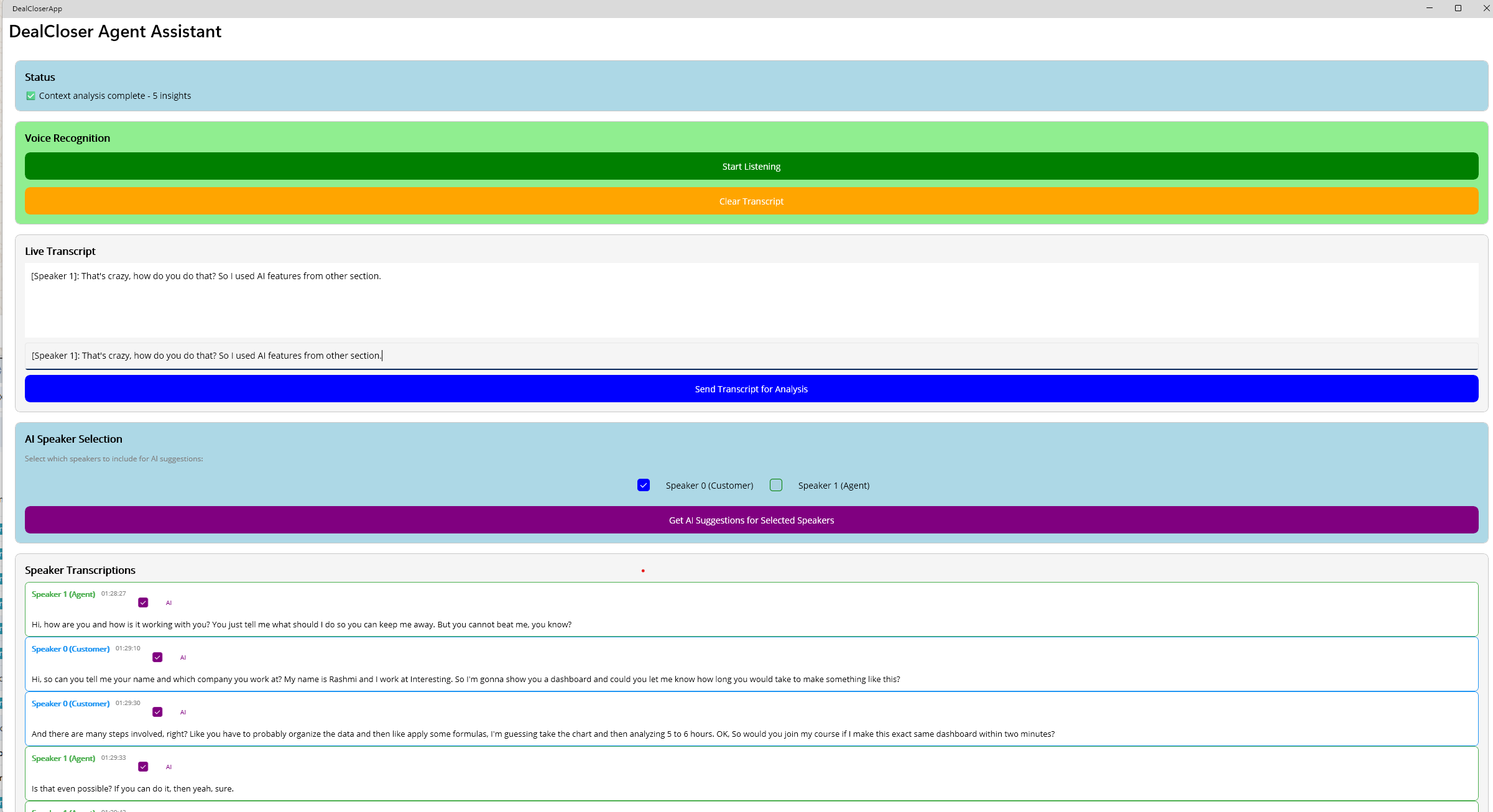
Sales copilot
Listens to a sales call while it's happening, transcribes it with Azure Speech, and suggests what to say next: how to handle an objection, what the next step should be.
.NET MAUI · C# · Azure Speech
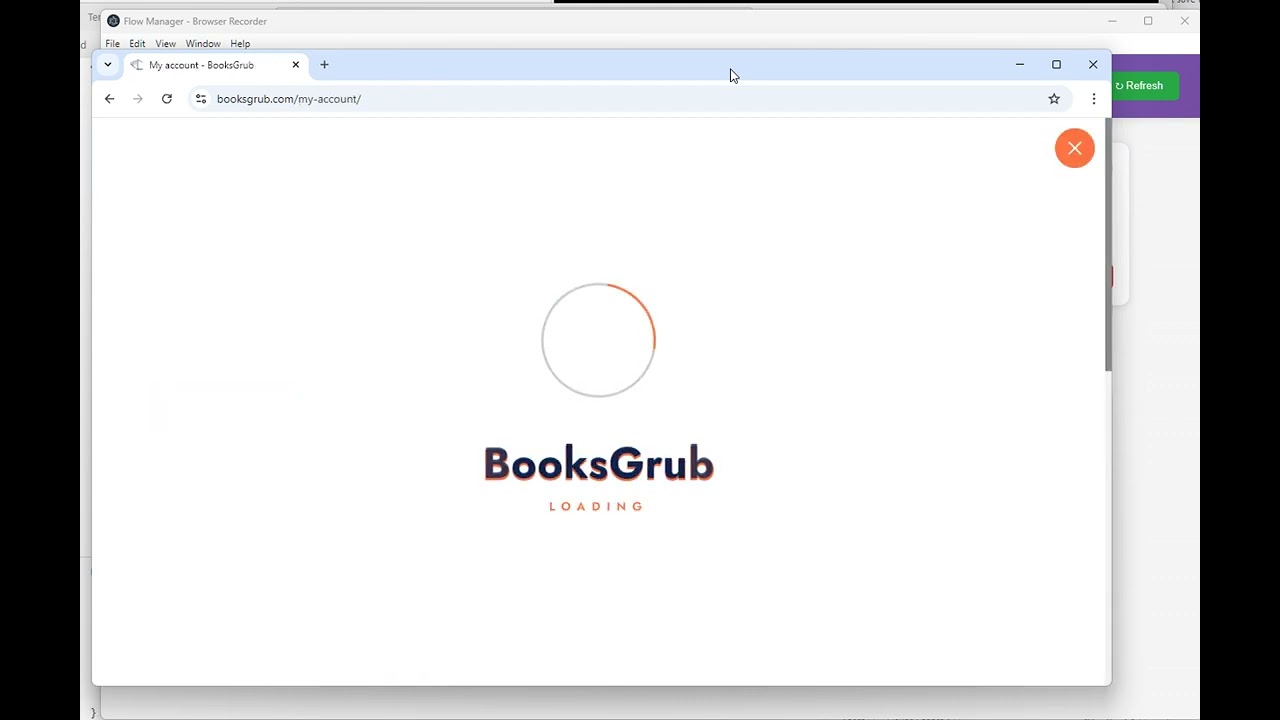
Desktop app
Do something in your browser once and it writes the tutorial for you: steps, screenshots, a PDF, even a Playwright script that replays the whole thing.
Electron · Playwright · PostgreSQL
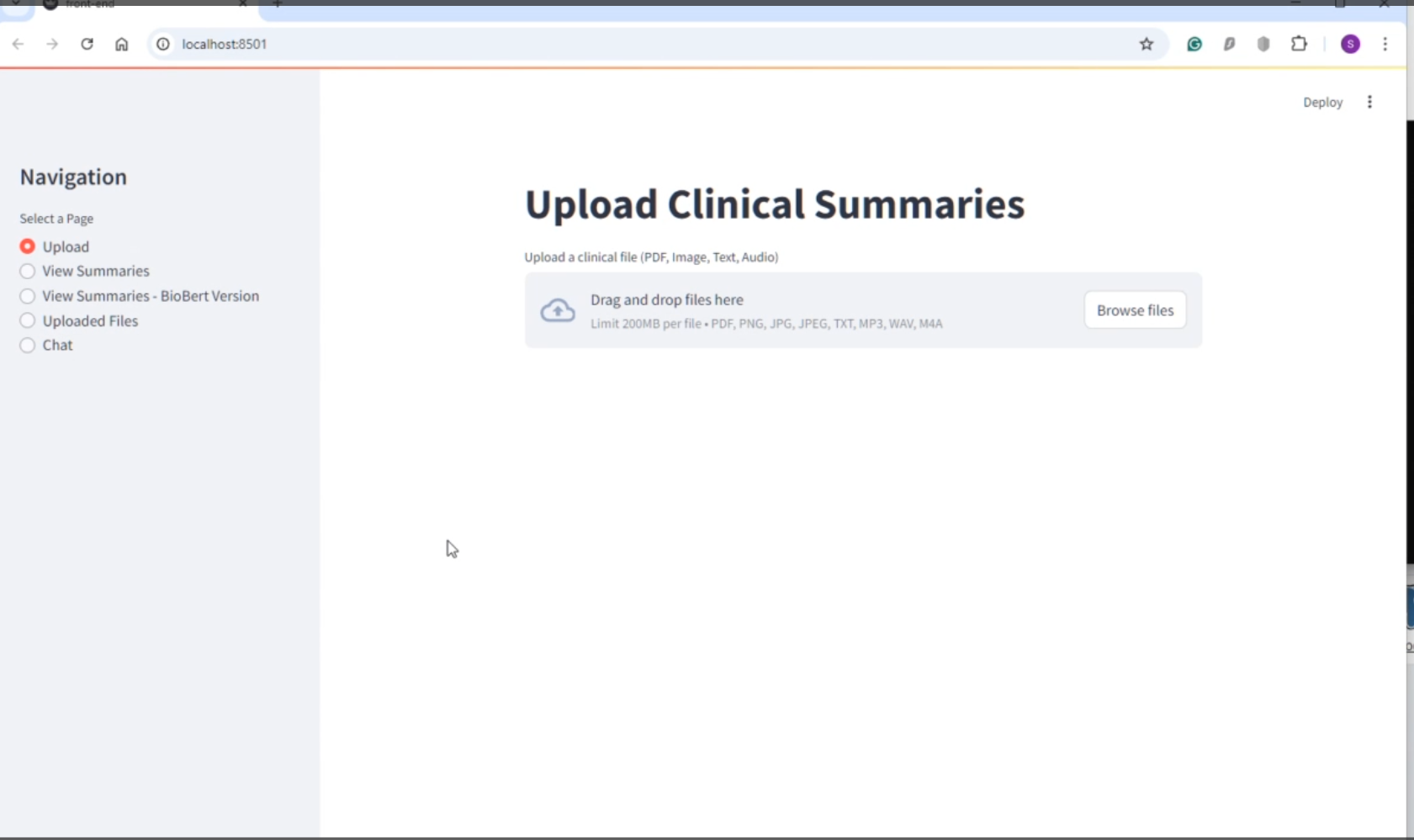
Healthcare
Turns unstructured clinical notes into a clean, structured summary, with a chat for follow-up questions. A person reviews everything before it's used.
Python · Streamlit · LlamaIndex · Whisper
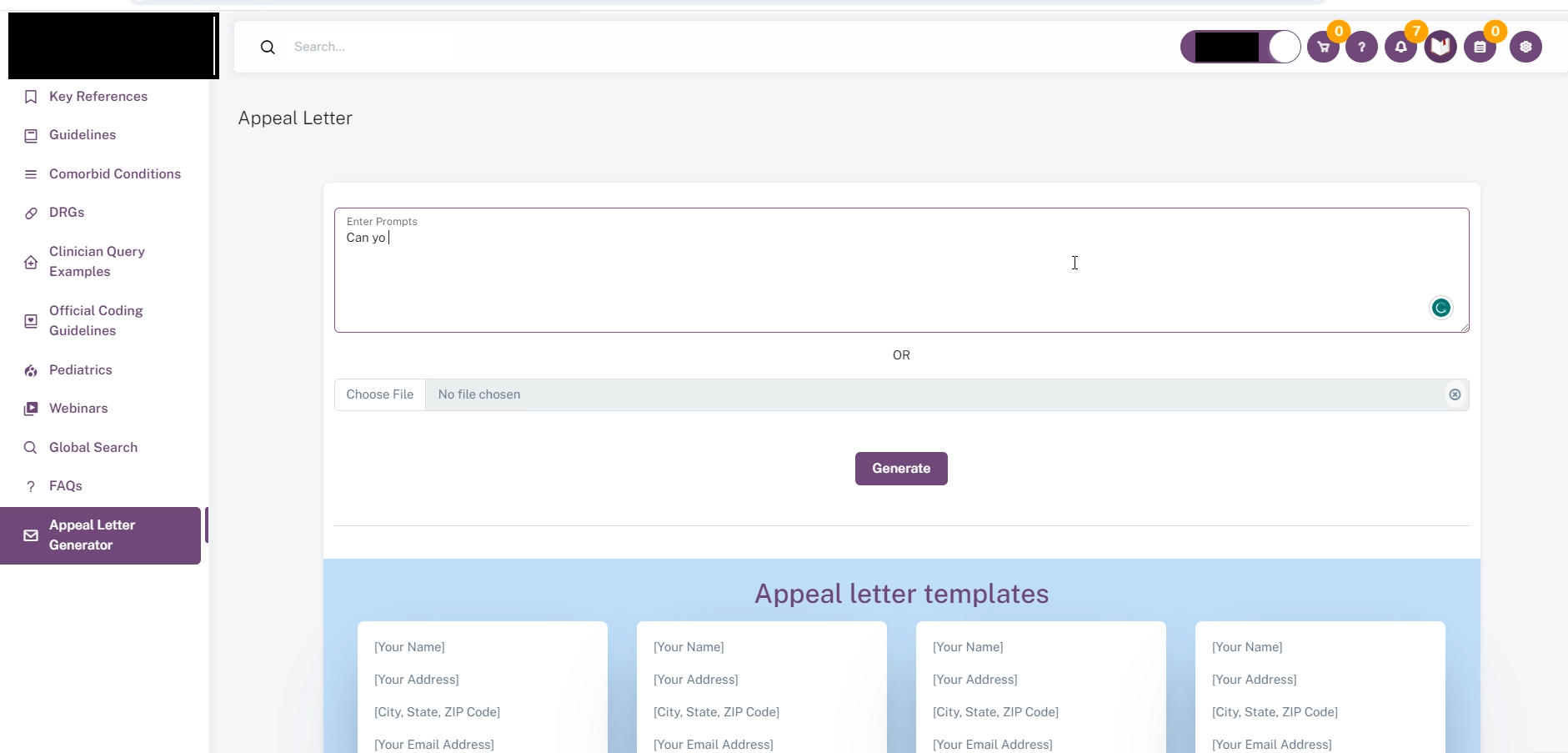
Healthcare
Writing medical appeal letters is the same work over and over. This reads the clinical documents and images, drafts a consistent letter, and someone checks it before it goes out.
AWS Comprehend Medical · Bedrock · OpenAI · S3
Experiment
FastAPI sends back speech plus mouth shapes from Azure's text-to-speech, and a Three.js face lip-syncs along. Works with your own GLB avatar too.
Python · FastAPI · React · Three.js · Azure TTS
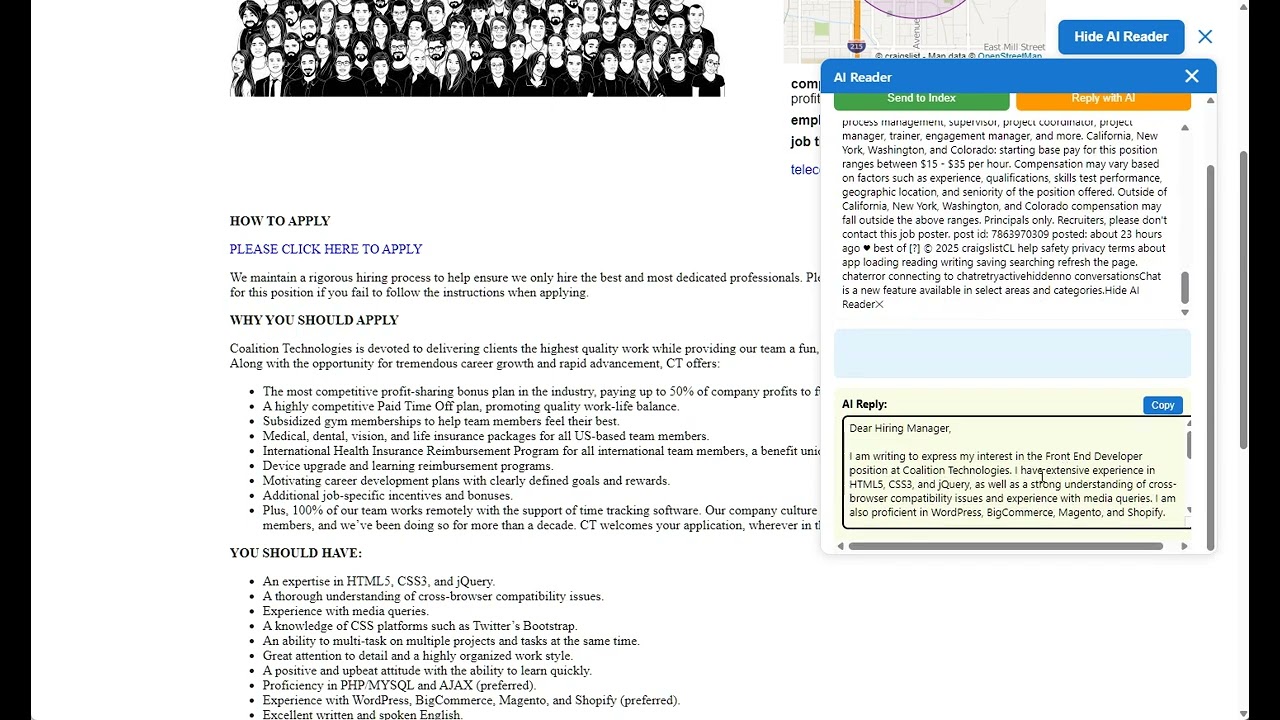
Browser extension
Cleans up any web page so you can actually read it, then lets you ask quick questions about what's on it.
TypeScript · Plasmo · Browser extension
There's more on GitHub: LlamaDBIndexer, Azure AI Search scripts, PDF semantic search, and a pile of agent experiments.
Something new goes out most weeks. Here's the latest.
Reading unstructured clinical notes by hand is slow, and everyone summarizes them a little differently.
So I built a pipeline that pulls the key facts out, applies some rules, and writes a standard summary. A person always reviews it before it's used. Under the hood it's Python and Streamlit: Tesseract reads scanned pages, Whisper handles audio, GPT-3.5 through LlamaIndex writes the summaries, and Postgres keeps them.
The next step is measuring it properly: review time per case, how many fields get filled, how many edits each summary needs, and how often clinicians agree with it.
Walkthroughs of things I'm building. A couple of playlists: